The Philosophy of Mindful Movement
Movement is fundamental to human experience, yet many of us have lost connection with our bodies through sedentary lifestyles and habitual patterns. Passia offers an educational approach to rediscovering physical capability through conscious practice.
Rather than prescribing rigid routines or promising specific outcomes, we emphasize exploration and individual discovery. Each person's body is unique, with its own strengths, limitations, and potential for development.
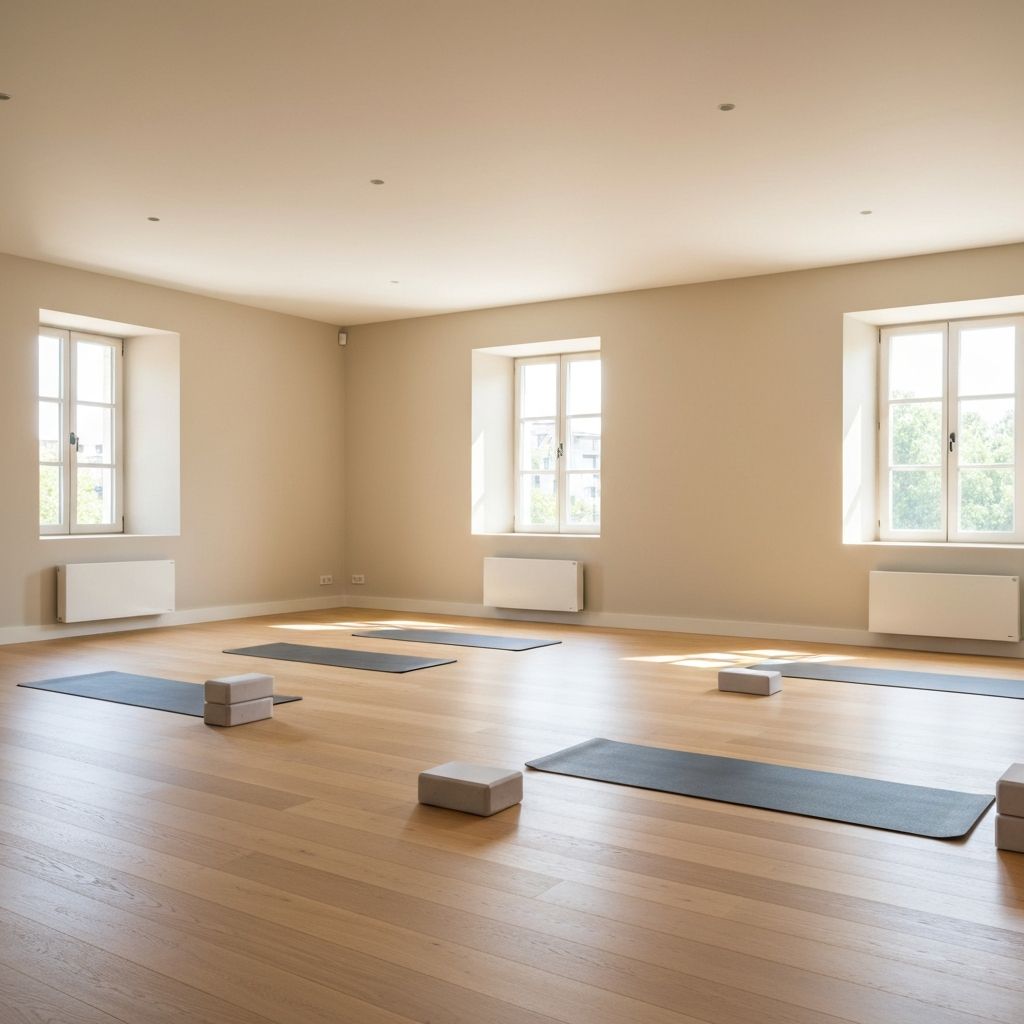
Learning Through Movement
Physical education shouldn't end in childhood. As adults, we benefit from understanding how our bodies work, what movement patterns serve us, and how to adapt activities to our changing needs.
The practices shared here draw from various movement traditions—bodyweight training, flexibility work, balance exercises, and coordination drills. What unites them is an emphasis on awareness, control, and gradual progression.
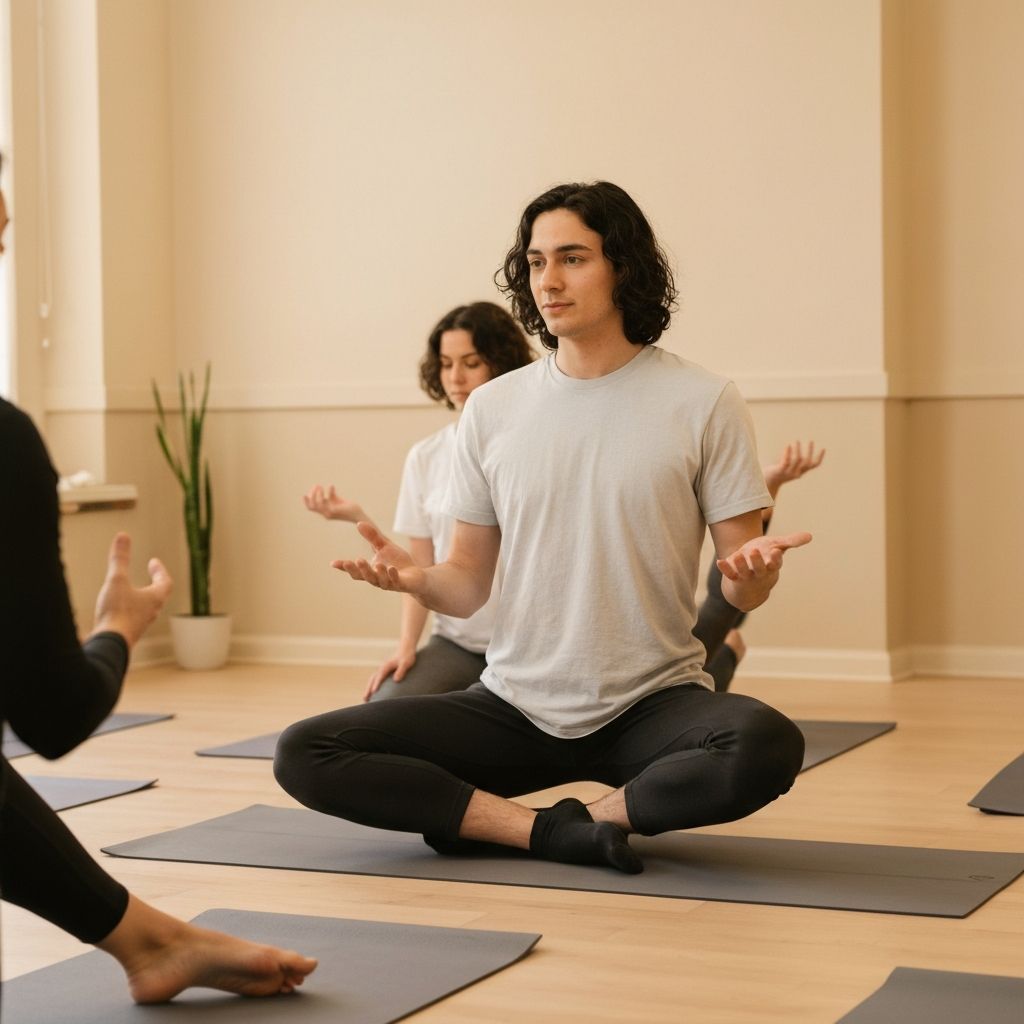
Core Principles
Body as Space
Your body is a three-dimensional space you inhabit. Understanding its structure, capabilities, and limitations helps you move more effectively in daily life. Simple practices can be integrated into everyday activities—reaching, bending, lifting, sitting.
Progressive Adaptation
Physical capability develops through consistent, gradual challenge. Start where you are, work within comfortable ranges, and allow natural progression to unfold. There's no rushing, no comparison with others, no arbitrary targets.
Awareness First
Before changing how you move, it helps to notice how you currently move. Awareness of posture, breathing, tension patterns, and habitual compensations provides the foundation for conscious change.
Sustainable Practice
Brief, regular practice integrated into daily life proves more effective than sporadic intensive sessions. The goal is to develop movement as a lifelong practice rather than a temporary project.
The Role of Guidance
While these practices can be explored independently, guidance helps refine understanding. Practitioners with experience in movement education can offer perspective on form, progression, and individual adaptation.
"Good instruction doesn't impose a single 'correct' way to move. Instead, it helps each person discover what works for their unique body, goals, and circumstances. The teacher's role is to share principles, offer options, and support each individual's exploration."
Integration into Daily Life
The ultimate goal isn't to become an expert in specialized movement practices—it's to move more capably and comfortably in everyday life. Can you sit on the floor and get back up easily? Reach overhead without strain? Maintain good posture during long work sessions? Carry groceries without discomfort?
These practical capabilities emerge from regular practice that develops strength, flexibility, balance, and coordination. The exercises themselves are simply tools for building general physical literacy.
Creating Sustainable Movement Habits
Habit formation requires consistency without overwhelm. Rather than committing to hour-long sessions you'll eventually skip, consider brief daily practices that fit naturally into your schedule. Five minutes of stretching after waking. Ten minutes of strength work before showering. Three balance exercises while waiting for coffee to brew.
These small practices compound over time, gradually reshaping your physical capabilities and body awareness. The key is regular engagement without self-judgment when you miss a session.
A Non-Comparative Approach
One of the most damaging aspects of modern fitness culture is constant comparison—to others, to idealized standards, to your former self. This creates pressure, disappointment, and often abandonment of practice.
Passia emphasizes education and exploration over achievement. There's no competition, no before-and-after photos, no metrics to obsess over. Just consistent, curious engagement with your own physical experience and gradual development of capability.